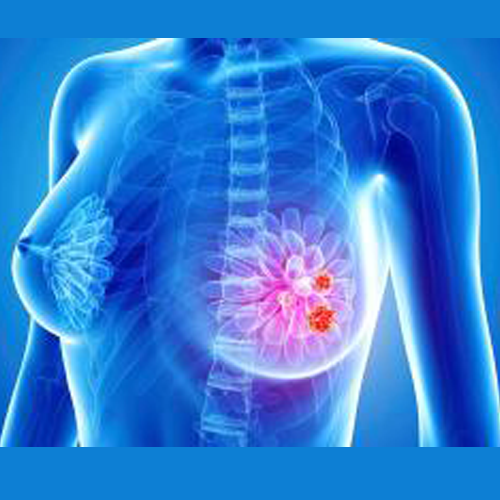
Except for skin cancers, breast cancer is the most common cancer in women. It can happen at any age, although the risk increases with age. Some women may be more likely than others to develop breast cancer due to a variety of circumstances. However, every woman should be aware of the risks of breast cancer and what she can do to reduce her risk.
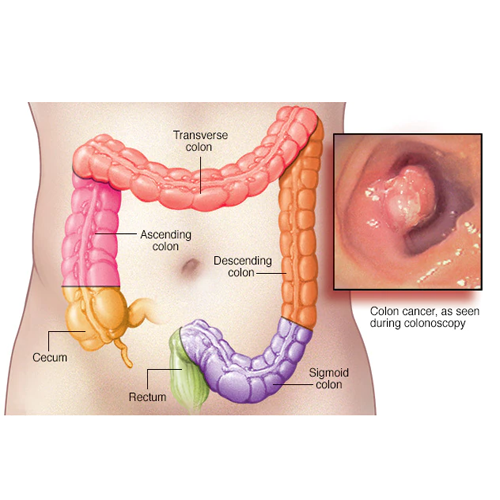
Colorectal cancer
Colorectal cancer is a kind of cancer that begins in the colon or rectum. Being overweight or obese, physical inactivity, a diet high in red and processed meats, smoking, strong alcohol usage, being older, and a personal or family history of colorectal cancer or polyps are all risk factors for colorectal cancer.
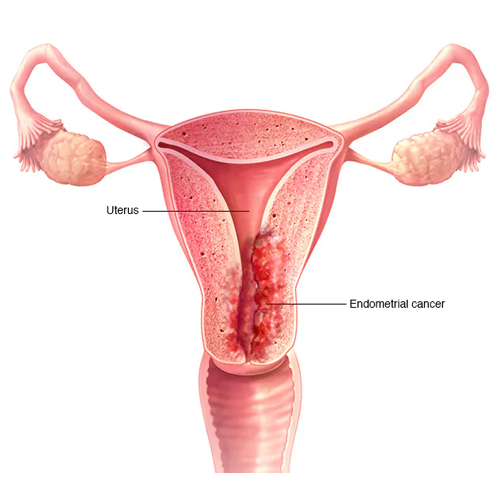
Endometrial cancer
Endometrial cancer is a cancer of the endometrium (the inner lining of the uterus). Endometrial cancer risk increases with age. Things that change hormone levels, such as taking estrogen without progesterone and taking tamoxifen for breast cancer therapy or to lessen breast cancer risk, can raise a woman’s chances of having this cancer. Having early menstrual cycles, late menopause, a history of infertility, or not having children can all raise the risk. Women who have a personal or family history of hereditary non-polyposis colorectal cancer (HNPCC or Lynch syndrome) or polycystic ovarian syndrome (PCOS) or who are obese are at an increased risk of developing endometrial cancer. Women who have had breast or ovarian cancer may also be at risk.
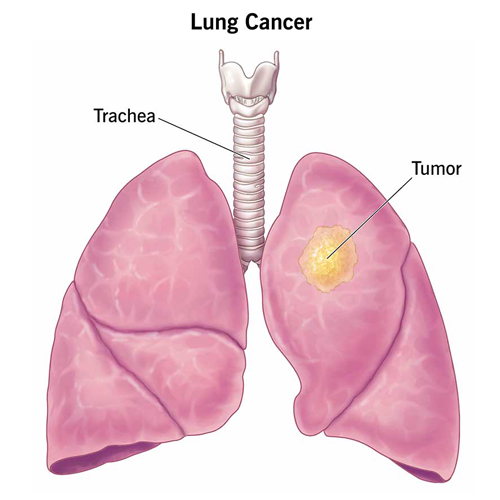
Lung cancer
Exposure to chemicals and other particles in the air is the most common cause of lung cancer. While tobacco use is the leading cause of lung cancer, not all people with the disease smoke. Some may have smoked, while others may not have smoked at all.
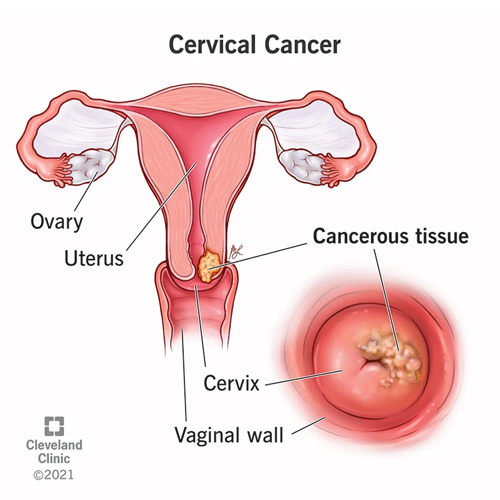
Cervical cancer
The most significant risk factor for cervical cancer is chronic infection with specific forms of human papillomavirus (HPV). You can get HPV through close skin-to-skin contact, such as having vaginal, anal, or oral intercourse with someone who has the virus. Other risk factors for cervical cancer include smoking, having a compromised immune system, having had a chlamydia infection, being overweight, being exposed to or taking certain hormone therapies, and not having frequent cervical cancer screening tests.
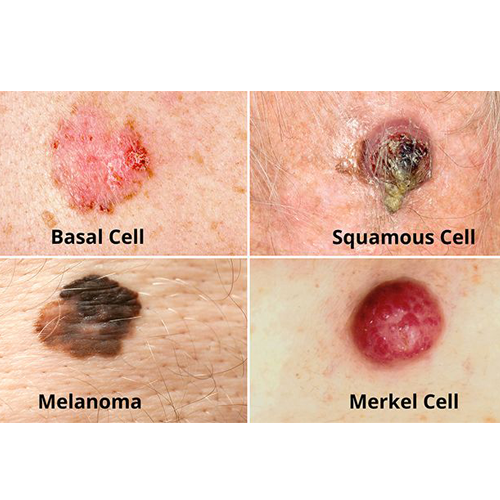
Skin cancer
Skin cancer may affect everyone, although people with pale skin are more likely to develop it than people with darker complexions. The majority of basal cell and squamous cell skin cancers are caused by unprotected skin exposure to ultraviolet (UV) radiation from both natural and man-made sources, such as tanning beds. Melanoma is a form of skin cancer that is less prevalent than other types but is more hazardous since it is more likely to develop and spread. People who have had other types of skin cancers, as well as those who have a close family member who has had melanoma, are at a higher risk of developing melanoma.
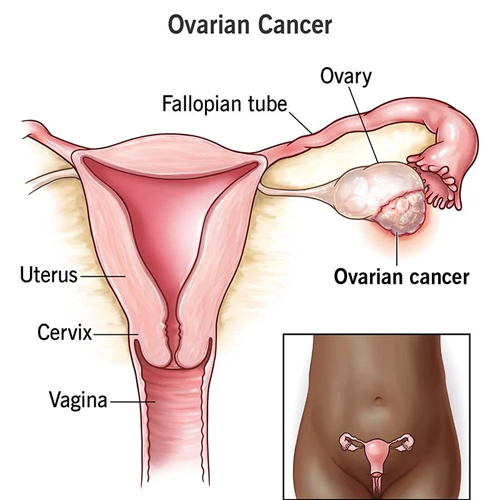
Ovarian cancer
Although ovarian cancer can strike at any age, it is more common in older women. Women who have never had children or had their first child beyond the age of 35 may be at a higher risk of developing this illness. Women who have taken estrogen alone as a hormone replacement treatment are at higher risk as well. Women who have a personal or family history of hereditary non-polyposis colorectal cancer (HNPCC or Lynch Syndrome), ovarian cancer, or breast cancer are at an increased risk of developing ovarian cancer. Ovarian cancer can occur in women who do not have any of these illnesses or risk factors.
What else can you do to help reduce your cancer risk ?
• Give up smoking; • Achieve and maintain a healthy weight.
• Get moving by engaging in regular exercise; • Adopt a healthy eating pattern that includes lots of fruits, vegetables, and whole grains while limiting or avoiding red or processed meats and highly processed meals. • Avoid drinking as much as possible. Men should limit their daily alcohol consumption to no more than two drinks. • Keep your skin safe. • Be aware of your own hazards as well as those of your family. • Schedule routine checkups and cancer screenings.