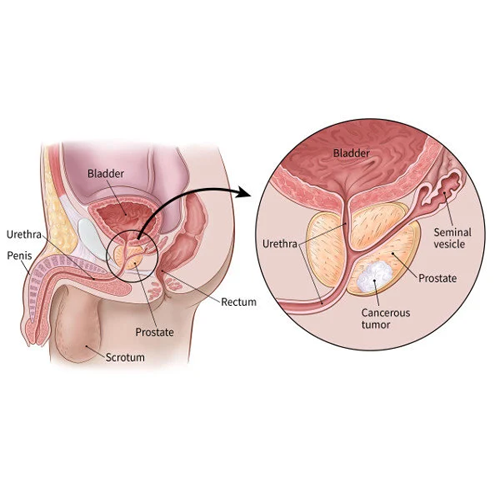
Except for skin cancers, prostate cancer is the most frequent cancer among males. Men who are older are more likely to develop prostate cancer. Men over 65 are most commonly affected by prostate cancer. Prostate cancer is more common in African American males and Caribbean men of African ancestry than in men of other races. A guy is also more likely to get prostate cancer if one or more of his close relatives do.
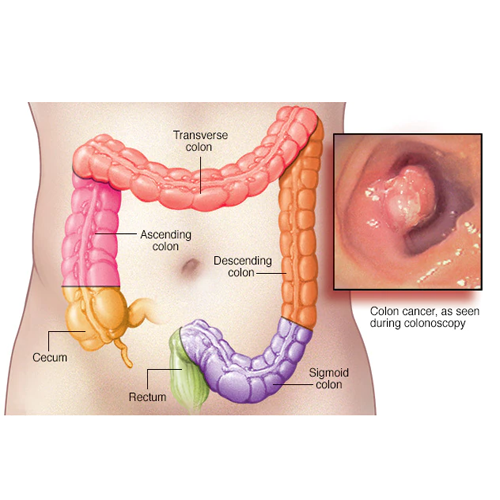
Colorectal cancer
In the colon, or rectum, colorectal cancer develops. Overweight or obesity, sedentary lifestyles, diets high in red and processed meats, smoking, heavy alcohol use, advanced age, and a personal or family history of colorectal cancer or polyps are some variables that raise the risk of colorectal cancer.
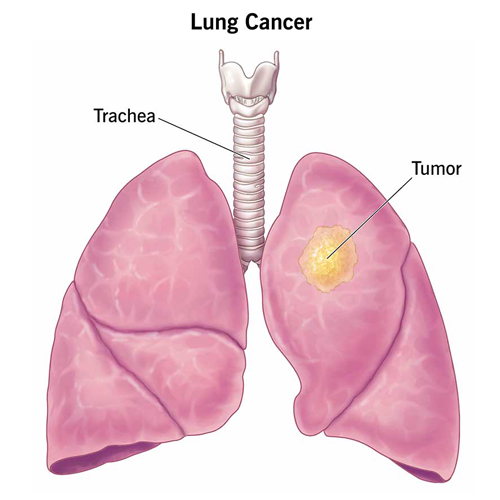
Lung cancer
Exposure to chemicals and other airborne particles is the main cause of lung cancer. Even though tobacco use is the main cause of lung cancer, not everyone who has the disease smokes. Some people may have smoked in the past, while others may never have.
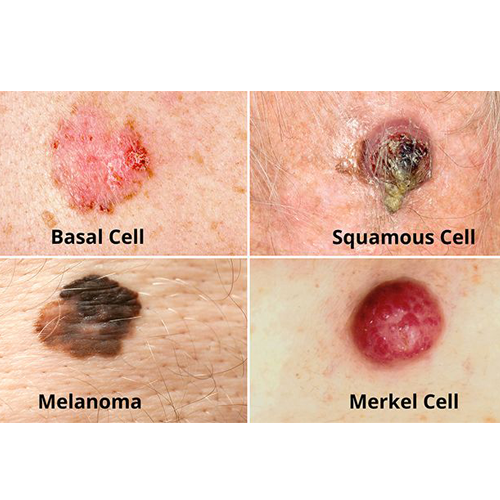
Skin cancer
Although anyone can develop skin cancer, those with fair skin are more susceptible than those with darker skin. The majority of basal cell and squamous cell skin cancers are brought on by frequent, uncovered skin exposure to ultraviolet (UV) radiation from both natural and artificial sources, including tanning beds. Melanoma is a form of skin cancer that is less prevalent than certain other skin cancers but more hazardous due to its propensity to advance and spread.
What else can you do to help reduce your cancer risk ?
• Give up smoking; • Achieve and maintain a healthy weight.
• Get moving by engaging in regular exercise; • Adopt a healthy eating pattern that includes lots of fruits, vegetables, and whole grains while limiting or avoiding red or processed meats and highly processed meals. • Avoid drinking as much as possible. Men should limit their daily alcohol consumption to no more than two drinks. • Keep your skin safe. • Be aware of your own hazards as well as those of your family. • Schedule routine checkups and cancer screenings.